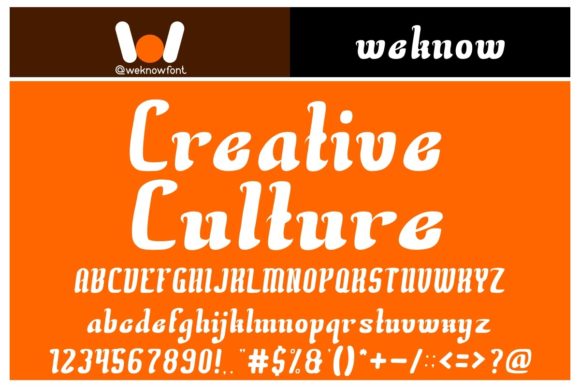
Creative Culture: A Display Font with Modern Impact
The Bold Statement Maker
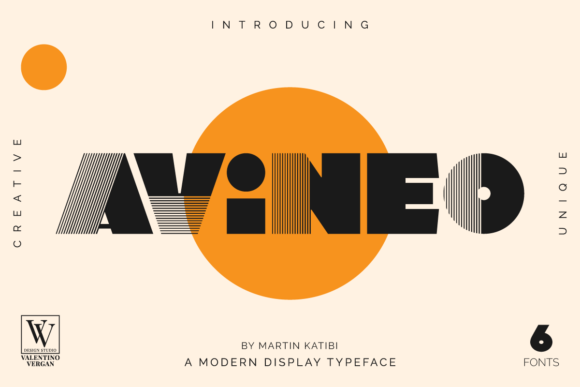
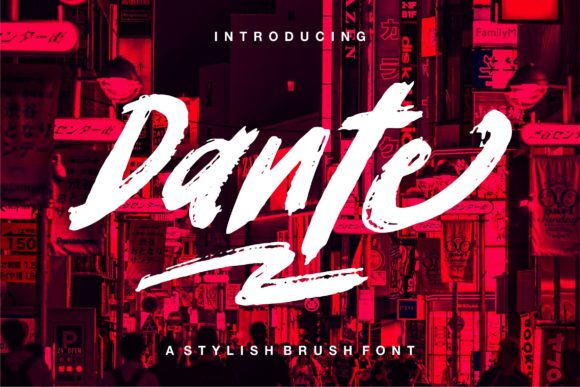
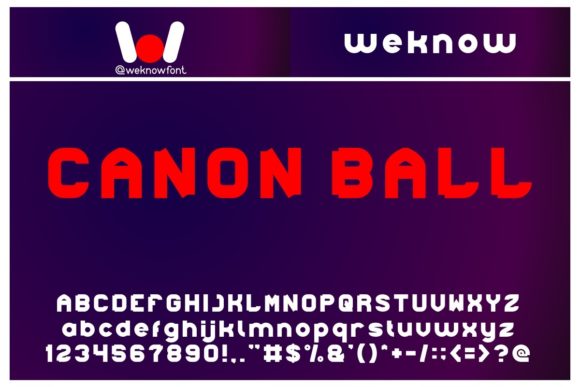
When a project demands immediate attention and a distinct personality, the typeface you choose becomes your first and most powerful tool. Creative Culture is a premium display font designed precisely for this purpose. It’s not meant for body text or lengthy paragraphs; its strength lies in making a confident, stylish statement. Think of it as the headline act, the logo centerpiece, or the defining visual element that sets the tone for an entire brand or campaign. Its character is inherently modern, with a clean yet expressive structure that balances geometric precision with subtle artistic flair. The letterforms often feature unique detailing, perhaps unexpected curves, strategic weight distribution, or distinctive terminals, which give it a contemporary edge without sacrificing legibility at scale.
This font’s personality is versatile within the realm of display typography. Depending on the context, it can feel sleek and futuristic, retro-cool, artistically avant-garde, or simply bold and unapologetically modern. This adaptability makes it a valuable asset in a designer's toolkit. It doesn’t scream for attention with gimmicks; instead, it earns it through confident, well-crafted forms that feel intentional and designed. For entrepreneurs and brand strategists, this translates to a typeface that can help articulate a brand identity that is both memorable and aligned with current design sensibilities.
Where Creative Culture Truly Shines
Understanding where a display font like Creative Culture performs best is key to using it effectively. Its primary role is in applications where text is large, impactful, and needs to communicate a message quickly and with style. Here’s a practical breakdown of its ideal environments:
- Logo Design and Brand Identity: This is a core strength. The font’s distinctive character can form the bedrock of a visual identity system. It works exceptionally well for logos for tech startups, creative agencies, lifestyle brands, music labels, or any business wanting to project innovation and style. Pair it with a clean sans-serif or a simple serif for body copy to create a balanced and professional brand identity package.
- Editorial and Publication Design: In magazine layouts, book covers, or poster design, Creative Culture commands attention. Use it for chapter titles, feature article headlines, or event posters. Its high impact ensures the key message isn’t lost, especially in competitive visual spaces like newsstands or online feeds.
- Digital and Social Media: For web design, it’s perfect for hero sections, landing page headlines, and call-to-action buttons. On social media graphics for platforms like Instagram or YouTube, it can make thumbnails, channel banners, and promotional posts stand out in a crowded timeline. Its clarity at various sizes ensures it remains effective across devices.
- Apparel and Merchandise: The font’s cool factor translates perfectly to the apparel industry. Think bold prints on t-shirts, hoodies, or caps, as well as labels and tags. It also works well for packaging design, especially for products that want to convey a sense of modern craftsmanship, innovation, or artistic value.
- Entertainment and Media: Its dynamic nature is a natural fit for the music, movie, and game industries. Use it for album art, movie posters, game titles, and promotional materials. It helps establish genre and mood instantly, whether it’s the gritty edge of an indie game or the polished look of a blockbuster.
Making It Work: Practical Guidance for Your Projects
Choosing and implementing a creative font like this requires a thoughtful approach. Here’s how to integrate it successfully:
First, always evaluate the project fit. Ask yourself: does the personality of Creative Culture align with the message and audience? It’s excellent for projects targeting adults 20-50 who appreciate contemporary design. If your project requires a formal, traditional, or highly minimalist aesthetic, a different typeface might be more appropriate. Test it early in the design process by setting a key headline or logo wordmark to see if it captures the intended vibe.
Next, master the art of font pairing. A display font rarely works alone. The rule of contrast is your friend. Pair Creative Culture with a highly readable, neutral sans-serif font for body text (like Helvetica, Open Sans, or Lato) or a classic serif for a more editorial feel. Avoid pairing it with another strong display or script font, as this creates visual competition and reduces readability. The goal is hierarchy: let Creative Culture dominate the headlines while supporting text remains clear and unobtrusive.
Pay close attention to readability considerations. While it’s designed for impact, always test the font in the intended context. Check letter spacing (tracking) and line spacing (leading) when used for longer headlines. Some unique letterforms might need minor adjustments to ensure words flow smoothly. Preview it at the actual size it will be used, whether on a mobile screen or a printed poster.
Finally, review the full package. A quality premium font like Creative Culture often includes multiple styles—perhaps different weights (Light, Regular, Bold), stylistic alternates, or even a complementary sans-serif or script version within the family. Explore these options. The alternate characters can offer subtle variations that make your design even more unique and tailored. And crucially, ensure you understand the commercial licensing. If you’re using it for a client’s brand, a product for sale, or a monetized YouTube channel, you must have the appropriate license. This protects both you and your client and is a mark of professionalism.
In the end, Creative Culture is more than just a set of letters; it’s a design asset that can inject personality, modernity, and focus into your work. Used strategically, it becomes a powerful component in building visual recognition and engaging your target audience. Its value is realized not in isolation, but in how effectively it communicates within the broader context of your creative vision.